
Wayne Gives the Podcast Girls a Brutal Business Reality Check
There are some conversations where everyone walks into the room thinking they know exactly what they deserve. Then the numbers come out, the questions start, and suddenly things don’t look quite as simple as they did before.
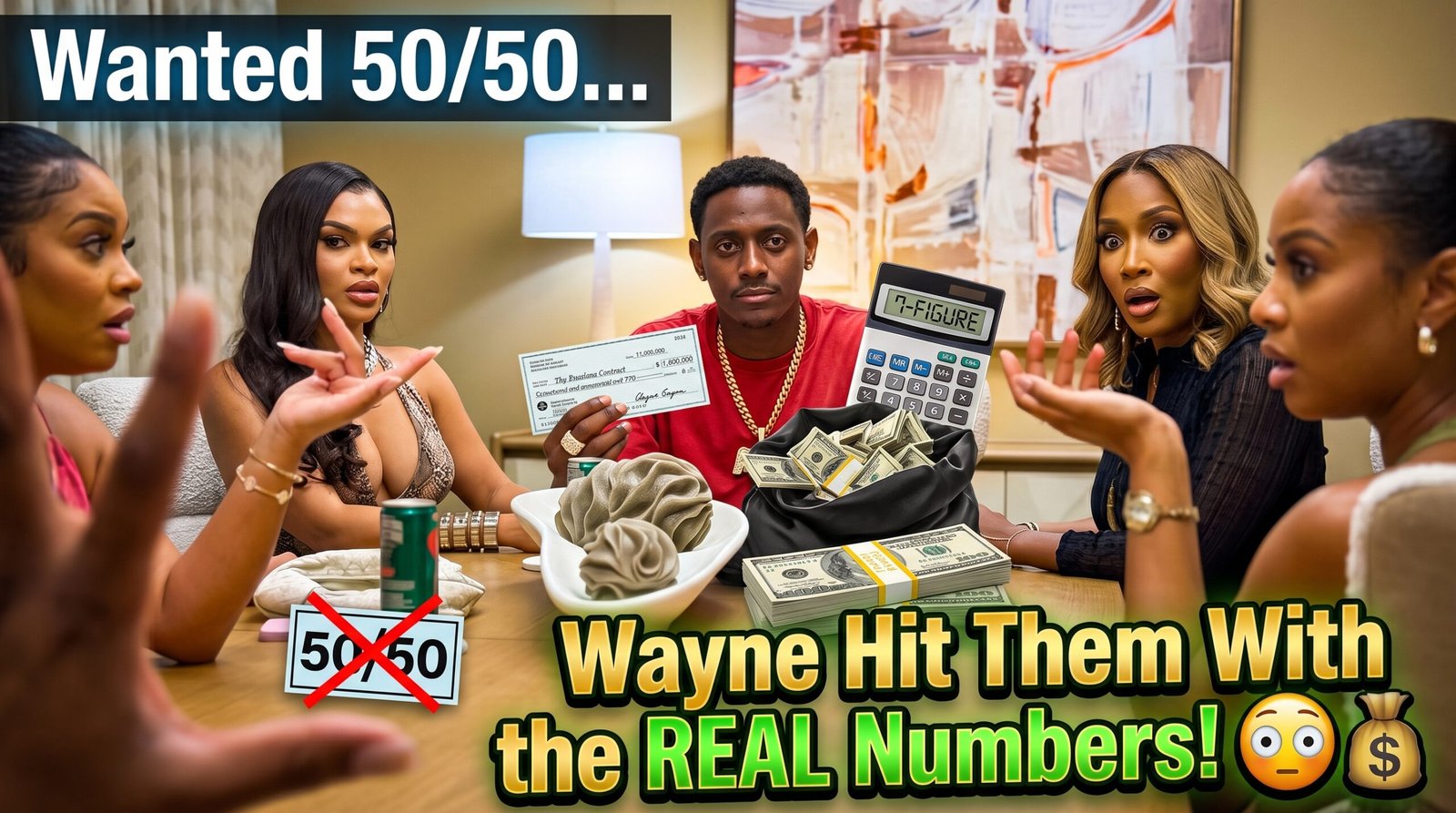
That is the energy behind Kountry Wayne’s comedy sketch “When Wayne has to humble the podcast girls!” What starts as a conversation about a podcast quickly becomes a hilarious disagreement over money, ownership, recognition, and influence.
The women believe their contribution should earn them a percentage of the project’s future success. Wayne sees things differently. From his perspective, a business deal has to be based on what each person actually brings to the table.
The result is an entertaining confrontation filled with confidence, uncomfortable truths, and plenty of comedy.
The Conversation Starts With a Complaint
Wayne is sitting down with the women to discuss the podcast project when the subject of compensation comes up.
It becomes obvious almost immediately that the women are not satisfied with the deal.
They don’t understand why they should receive a fixed payment without participating in the backend revenue. If the podcast grows and begins making serious money, they want to benefit from that success.
Their position is easy to understand.
They are going to appear on the show, contribute to conversations, bring their personalities to the project, and spend their time helping produce content.
So naturally, they believe they should have some form of ownership.
But Wayne isn’t convinced.
The Difference Between Getting Paid and Owning Something
One of the most important ideas in the conversation is the difference between compensation and ownership.
Getting paid for your work and owning part of a business are two completely different things.
An employee can receive a salary without owning the company.
A contractor can receive a fee without receiving a percentage of future profits.
A performer can receive payment for appearing in a production without becoming a partner.
The women appear to believe their involvement should automatically move them into the ownership category.
Wayne wants them to understand that participation alone doesn’t necessarily justify equity.
That disagreement becomes the foundation of the entire scene.
The Women Feel Disrespected
For the girls, the issue isn’t only about dollars.
They feel like Wayne’s offer doesn’t properly recognize their importance.
They believe the podcast benefits from their presence and personalities. Because of that, they don’t want to be treated like people who can simply show up, collect a check, and leave.
Amber especially pushes back against Wayne.
Her argument is emotional as well as financial.
She wants Wayne to recognize the effort the women are making.
She also believes that their popularity and appearance contribute to the show’s appeal.
That gives Wayne the opening he needs to make his biggest point.
Wayne Separates Popularity From Business Value
Wayne’s response is essentially a reality check.
He challenges the assumption that being attractive or entertaining automatically gives someone major business leverage.
That doesn’t mean those qualities have no value.
They can absolutely help attract viewers.
But Wayne’s argument is that attraction isn’t the same as revenue.
A person might get attention online without generating meaningful income.
A person might be popular socially without being able to bring customers to a business.
A person might have confidence without having negotiating leverage.
That is the distinction Wayne wants the women to understand.
The Problem With Assuming Everyone Loves Your Content
The sketch also touches on something many creators experience.
When people receive positive feedback regularly, they can start assuming that everyone sees their value the same way.
If friends laugh at every joke, it can create confidence.
If followers constantly compliment someone, it can create confidence.
If people constantly tell someone they are beautiful or talented, it can create confidence.
But professional negotiations operate differently.
The question isn’t simply whether people like you.
The question is whether people will watch because of you, buy because of you, subscribe because of you, or generate revenue because of you.
That is a much harder standard.
Wayne Brings His Own Platform Into the Conversation
The conversation becomes more serious when Wayne points to the audience he has already built.
This is probably the strongest part of his argument.
Wayne isn’t starting from zero.
He already has a recognizable name and a large audience.
That audience can help launch a podcast.
It can help generate views.
It can attract attention.
It can potentially help create sponsorship opportunities.
In business terms, that existing platform is an asset.
Wayne believes the women are overlooking that asset when they demand a major percentage of the project.
Audience Reach Matters
In the modern entertainment industry, audience reach is extremely important.
Two people can be equally talented but have completely different levels of influence.
One person might have a massive audience.
Another might have a much smaller following.
If both people are offered the same percentage, the business owner may have to consider who is actually driving the majority of traffic.
That doesn’t mean smaller creators should accept anything.
It means their negotiation should be based on realistic evidence.
Wayne uses his own platform as that evidence.
The “Flattery Trap” Makes Things Even Funnier
One of the funniest concepts in the conversation is Wayne’s explanation of how constant flattery can affect someone’s expectations.
He suggests that attractive women sometimes receive automatic validation from men.
People laugh at their jokes.
People agree with their opinions.
People compliment them.
People may even pretend something is funny simply because they want attention from them.
Over time, that kind of reaction can make someone believe they have more influence than they actually have in a business environment.
Wayne’s point is that business doesn’t reward people simply because they are attractive.
It rewards results.
Looks Can Attract Attention, But Results Keep People Watching
There is an important difference between attracting an audience and retaining an audience.
A person can make viewers click on a video because they are visually appealing.
But if the content isn’t interesting, those viewers may never return.
Successful entertainment requires more than appearance.
It requires personality, chemistry, consistency, storytelling, production quality, and an understanding of what the audience wants.
Wayne’s argument is that the women need to demonstrate that they can create measurable value for the podcast.
The Negotiation Becomes Personal
As the conversation continues, it becomes clear that both sides are getting frustrated.
The women believe Wayne is undervaluing them.
Wayne believes the women are overestimating their leverage.
This is where the comedy becomes especially effective.
Nobody wants to admit they might be wrong.
The women continue defending their position.
Wayne continues challenging them.
Instead of ending the meeting quickly, the conversation becomes a battle of confidence.
And that is exactly what makes viewers want to keep watching.
Knowing Your Worth Is Only the Beginning
One of the biggest lessons from the sketch is that knowing your worth is important, but it is only the beginning.
Anyone can say they deserve more money.
The harder part is explaining why.
If someone wants 20 percent of a business, what are they contributing?
If they want 30 percent, what results can they produce?
If they want 50 percent, what would happen to the business without them?
Those questions help turn confidence into a real negotiation.
Without answers, a demand can sound unrealistic.
The Importance of Building Your Own Brand
The sketch also highlights why building an independent brand can be so powerful.
When creators depend entirely on someone else’s platform, they may have less negotiating power.
But when they build their own audience, their own followers, and their own revenue streams, their position changes.
They no longer need to rely entirely on another person’s popularity.
They can bring their own audience to the table.
That is real leverage.
Wayne’s established brand is exactly what gives him confidence during the negotiation.
Why Viewers Can Relate to the Situation
Even though the scene is exaggerated for comedy, the basic disagreement is familiar.
People everywhere have disagreements about pay.
An employee thinks they deserve a raise.
A business owner thinks the current salary is fair.
A creator wants a larger percentage.
A producer wants to protect the project’s profits.
Everyone has their own idea of what “fair” means.
The difficult part is finding a number that both sides can accept.
That’s why the sketch feels relatable despite being presented as comedy.
Wayne’s Real Message
Underneath all the jokes, Wayne’s message is straightforward.
If you want a bigger piece of the business, you need to bring something that makes the business more valuable.
That could be an audience.
It could be unique talent.
It could be production expertise.
It could be marketing ability.
It could be proven revenue.
It could be a combination of all of these things.
Simply believing you’re valuable isn’t enough.
You need evidence.
The Final Reality Check
By the end of the conversation, the women have been forced to look at the situation from a different perspective.
They came into the discussion believing that their personalities and presence automatically justified a percentage of the podcast.
Wayne challenged that assumption by asking them to consider the bigger picture.
Who built the platform?
Who brings the audience?
Who carries the brand?
Who takes the financial risk?
Who has already demonstrated the ability to generate attention and revenue?
Those questions make the negotiation much more complicated.
Final Thoughts
“When Wayne has to humble the podcast girls!” works because it combines comedy with a surprisingly realistic business lesson.
The women aren’t wrong for wanting better compensation. Negotiation is part of business, and creators should absolutely understand their value.
But Wayne’s argument is that value must be demonstrated.
Confidence can start a negotiation, but results strengthen it.
Beauty can attract attention, but talent and consistency keep an audience engaged.
Popularity can open doors, but business leverage determines how much someone can realistically demand.
That is what makes Wayne’s “humbling” moment so entertaining. He doesn’t just disagree with the women. He forces them to think about the difference between what they believe they are worth and what they can prove they are worth.
And sometimes, that reality check is exactly what a business conversation needs.